
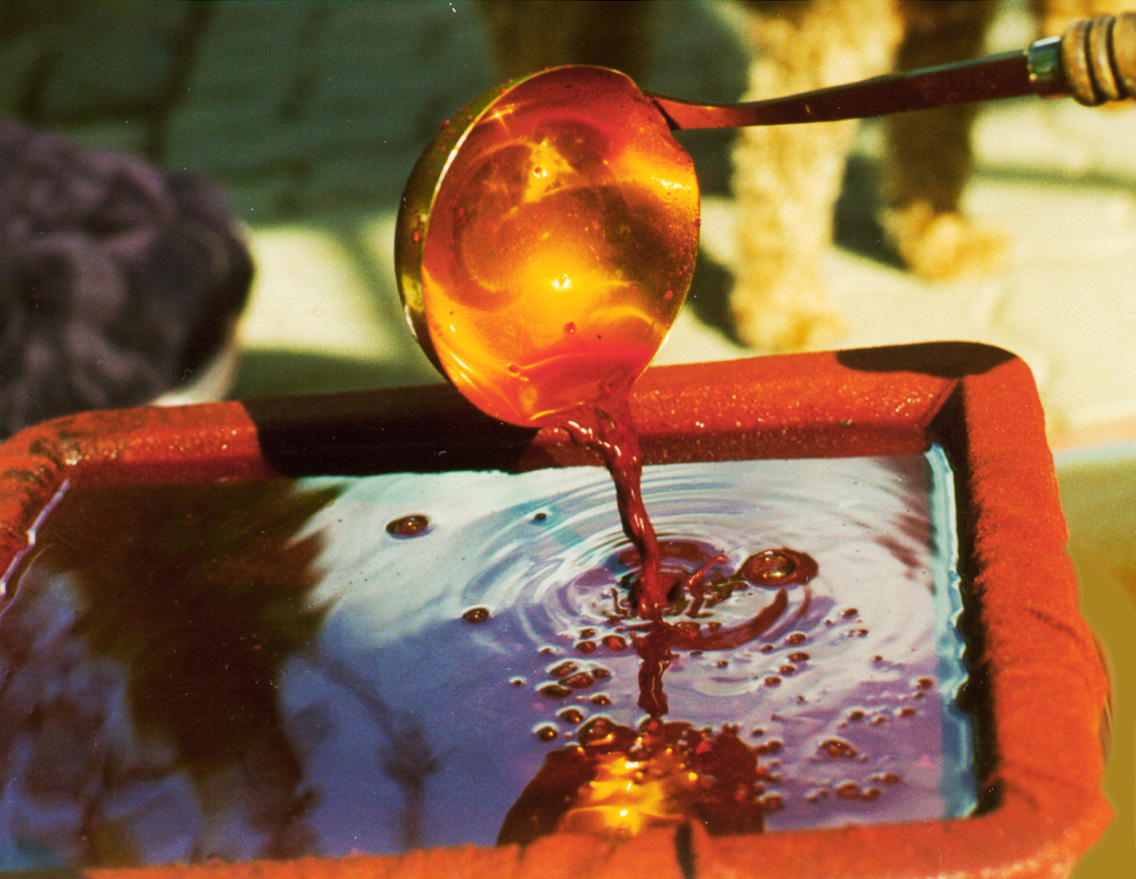
Lust auf Farben
Naturfarben auf Wolle und Seide
Färben ohne giftige Zusätze
Ein Praxisbuch mit verständlichen Anleitungen
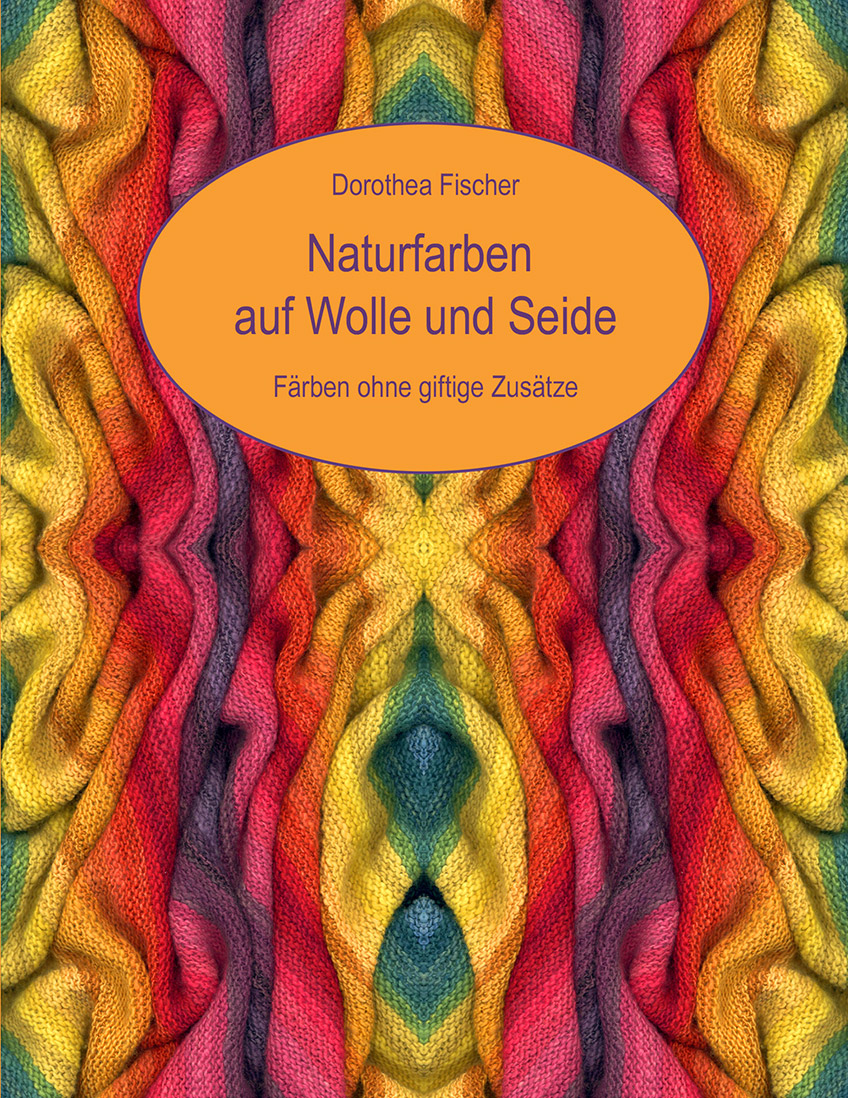
Ein Färbebuch mit 90 erprobten Rezepten ohne giftige Zusätze und genauer Anleitung zu den notwendigen Arbeitsschritten. Neben den Rezepten werden die Färbedrogen, Materialien und Zusätze mit Inhaltsstoffen, Herkunft, Heilwirkungen und kulturgeschichtlichem Hintergrund beschrieben.
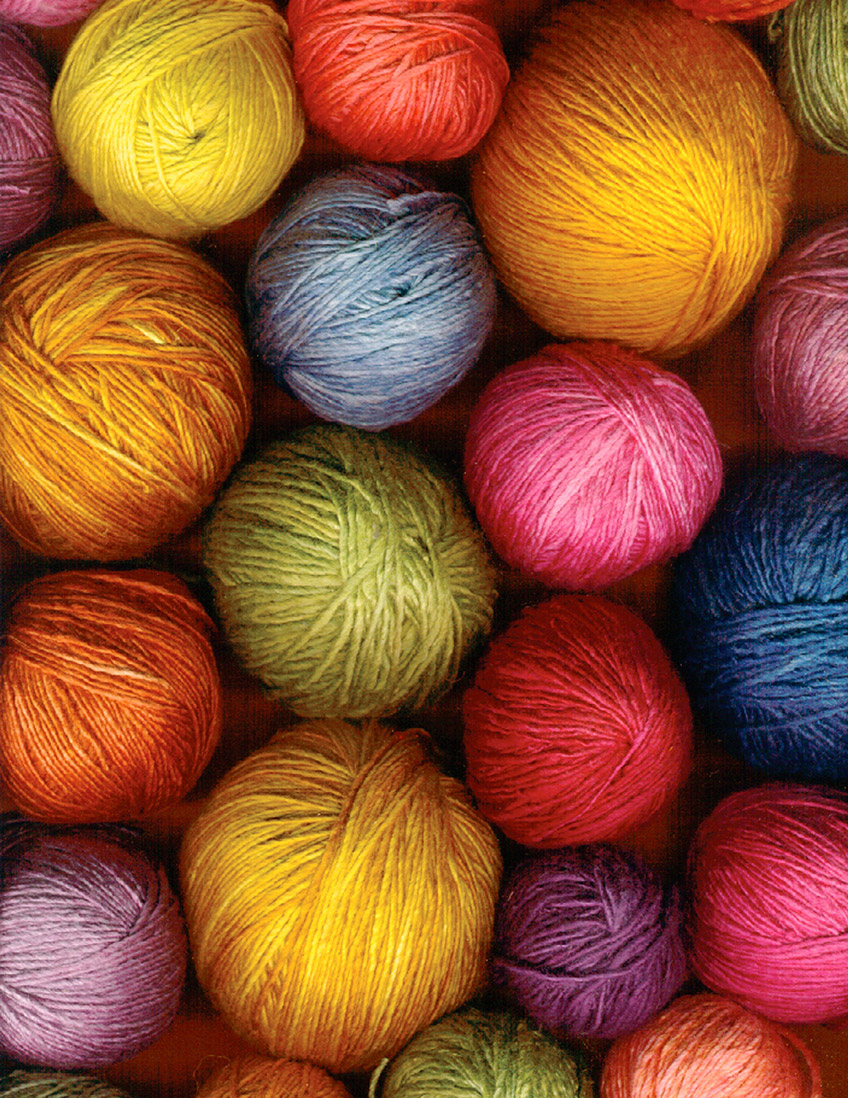
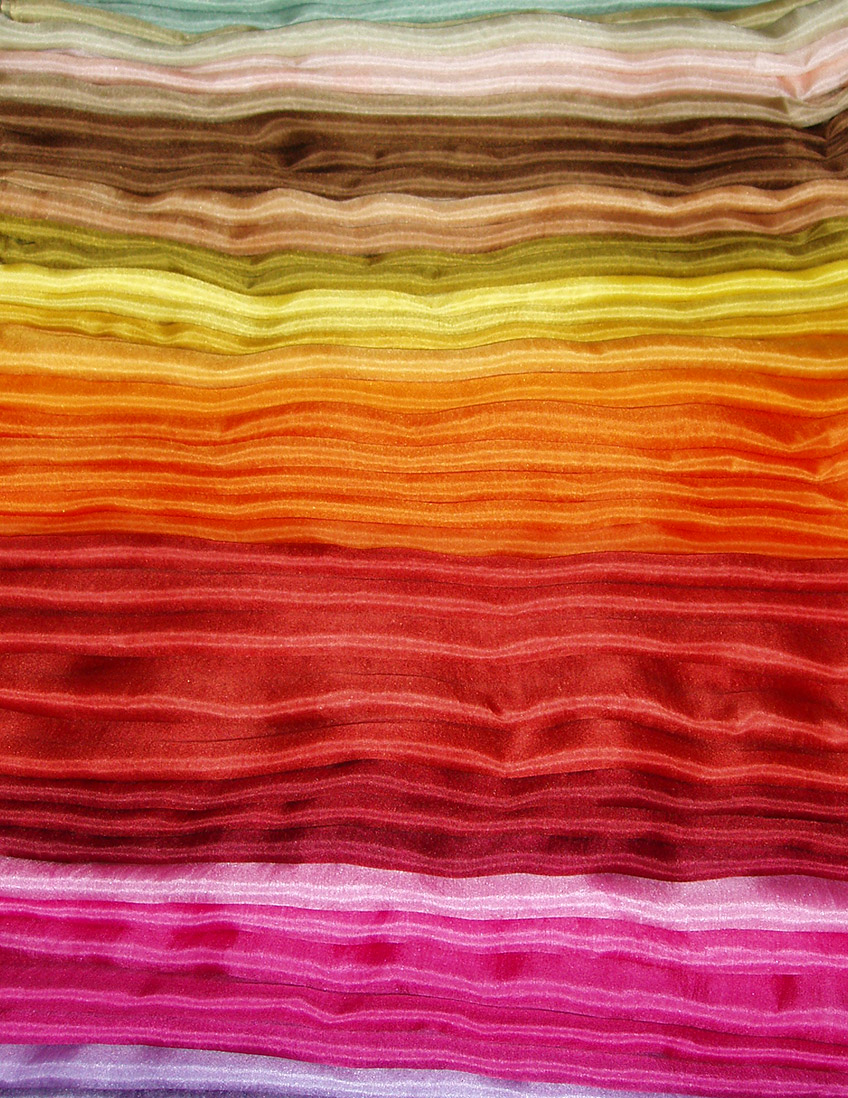
Praxisbezogen sind die Informationen der Autorin zum Färben mit sieben Grundrezepten und ihren Variationen, sofort anwendbar und hilfreich.Ebenso ihre Ausführungen zum Stricken. Es werden viele Modelle gezeigt, deren Garne mit Lac Dye gefärbt wurden. 7 Strickanleitungen ergänzen diesen Teil des Buches.
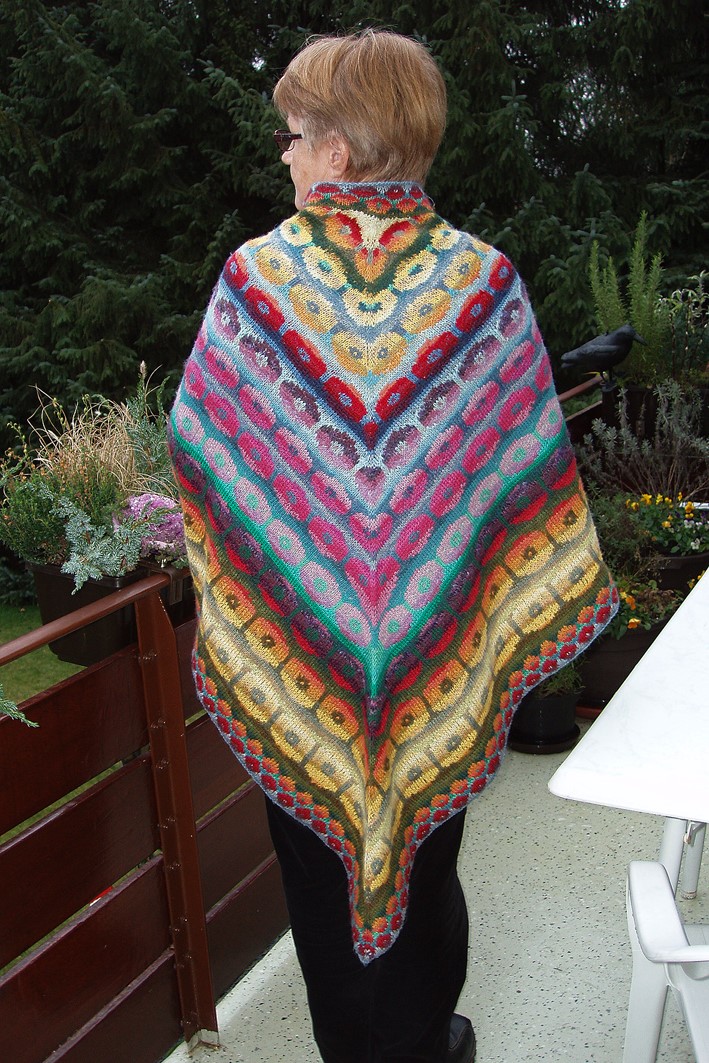
Strickanleitung STR 26: Lottes Dreieck-Blumentuch
Lac Dye - Das königliche Rot aus der Natur Asiens
Färben und Stricken mit Lust und Leidenschaft
Ein faszinierendes Buch über eine faszinierende Farbe
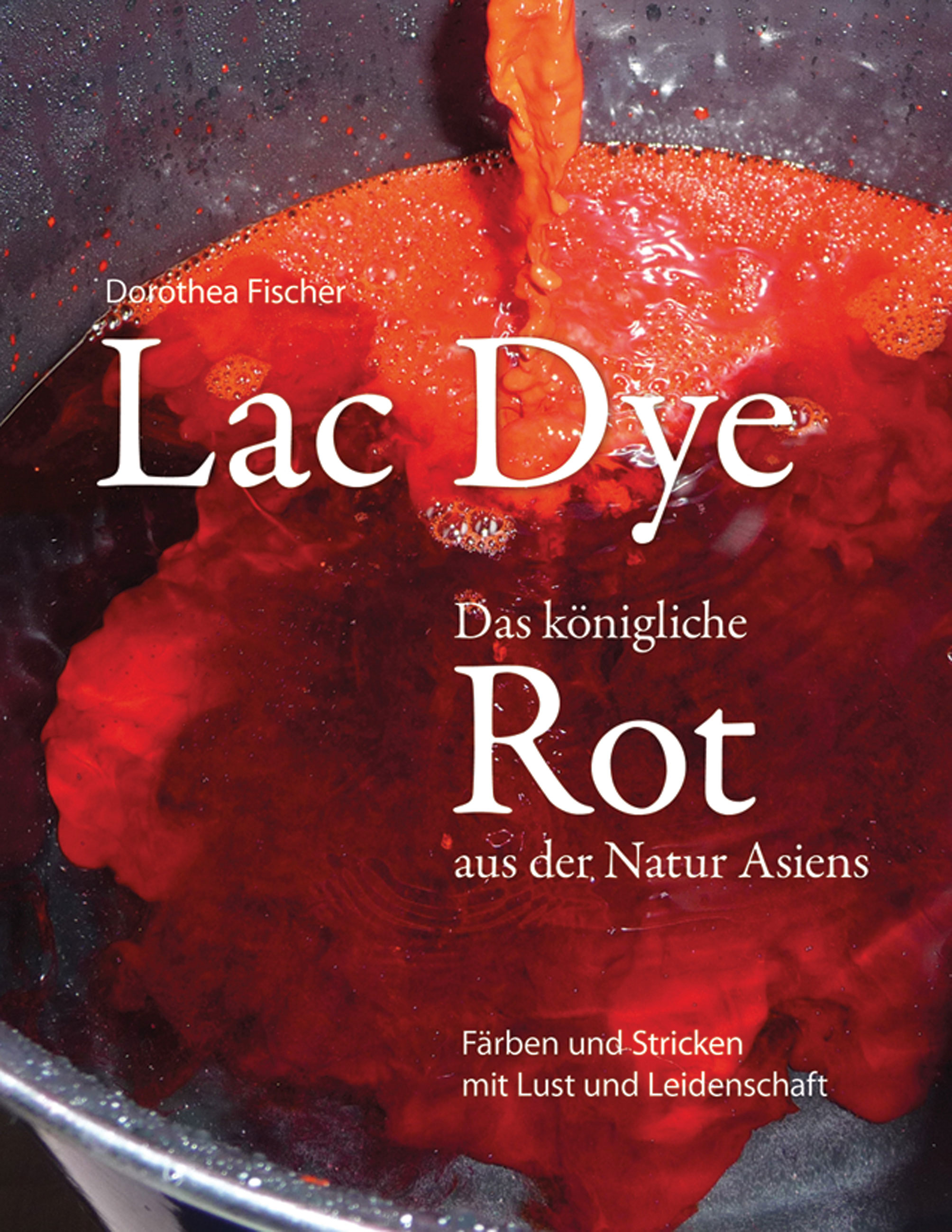
Spannend der Bericht von Jenny Balfour-Paul als Vorwort / Einführung in das Thema über ihre Reise nach Bhutan, wo die uralte Tradition des Färbens mit Lac und anderen natürlichen Färbemitteln ungebrochen bis heute praktiziert wird.
In diesem Land verkörpern Textilien, ihre Herstellung und ihre Farben noch die überlieferte Bedeutung.
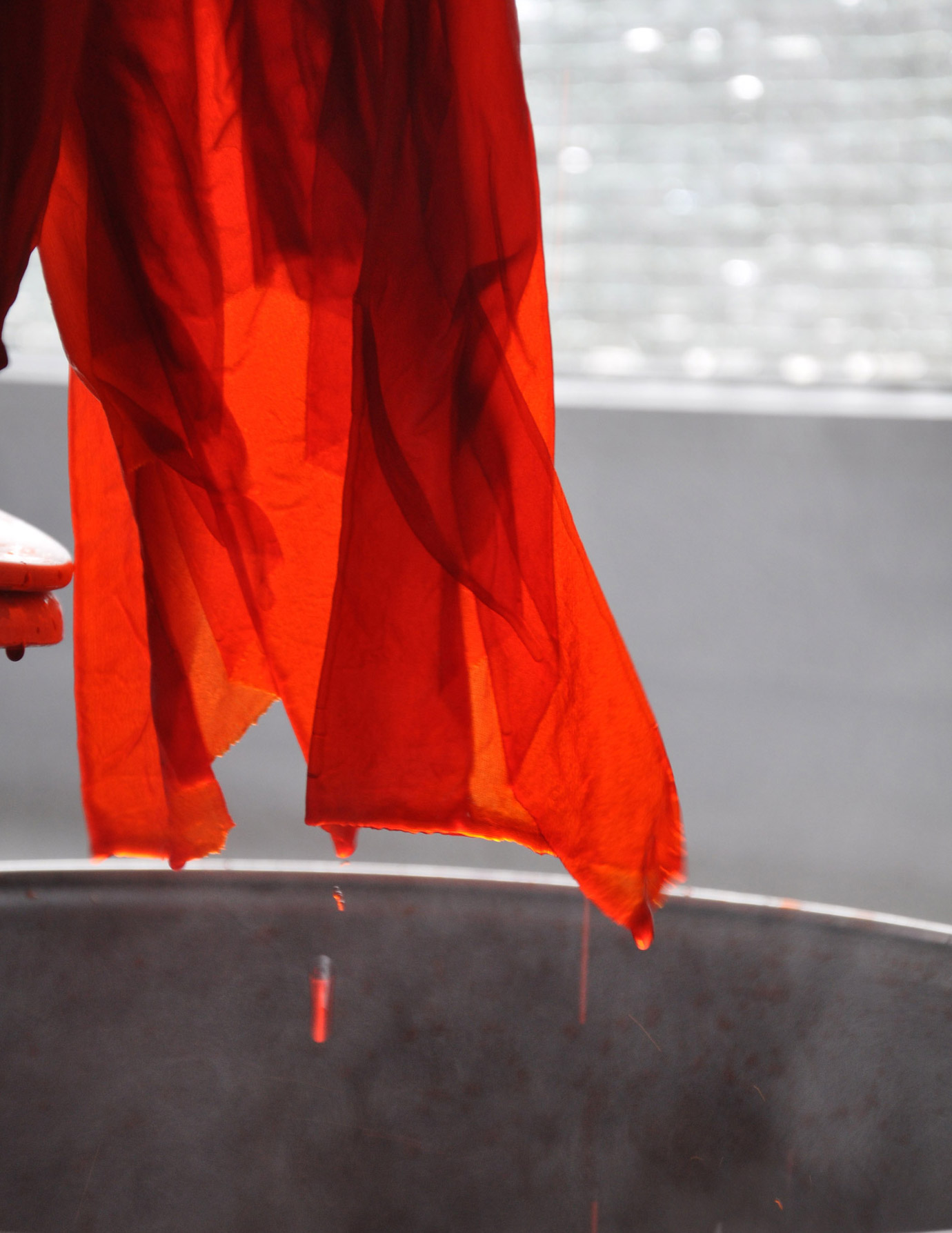
Interessant der Blick von Artur Telfeyan auf die jahrhundertelange Verwendung von Lac Dye in der Kultur des Teppichknüpfens im Orient. An unterschiedlichen Beispielen werden die Verbreitung und Wertschätzung des Farbstoffes untersucht, welche von der dauerhaften Pracht der außergewöhnlich wertvollen Teppiche herrühren, die auch damit gefärbt wurden. In diesem Zusammenhang wird die Lichtechtheit und Beständigkeit der Farben aus Lac Dye wissenschaftlich nachgewiesen.
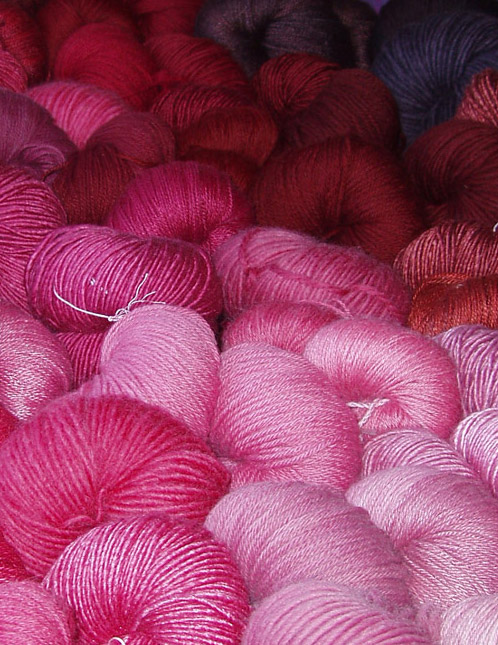
Praxisbezogen sind die Informationen der Autorin zum Färben mit sieben Grundrezepten und ihren Variationen, sofort anwendbar und hilfreich.Ebenso ihre Ausführungen zum Stricken. Es werden viele Modelle gezeigt, deren Garne mit Lac Dye gefärbt wurden. 7 Strickanleitungen ergänzen diesen Teil des Buches.
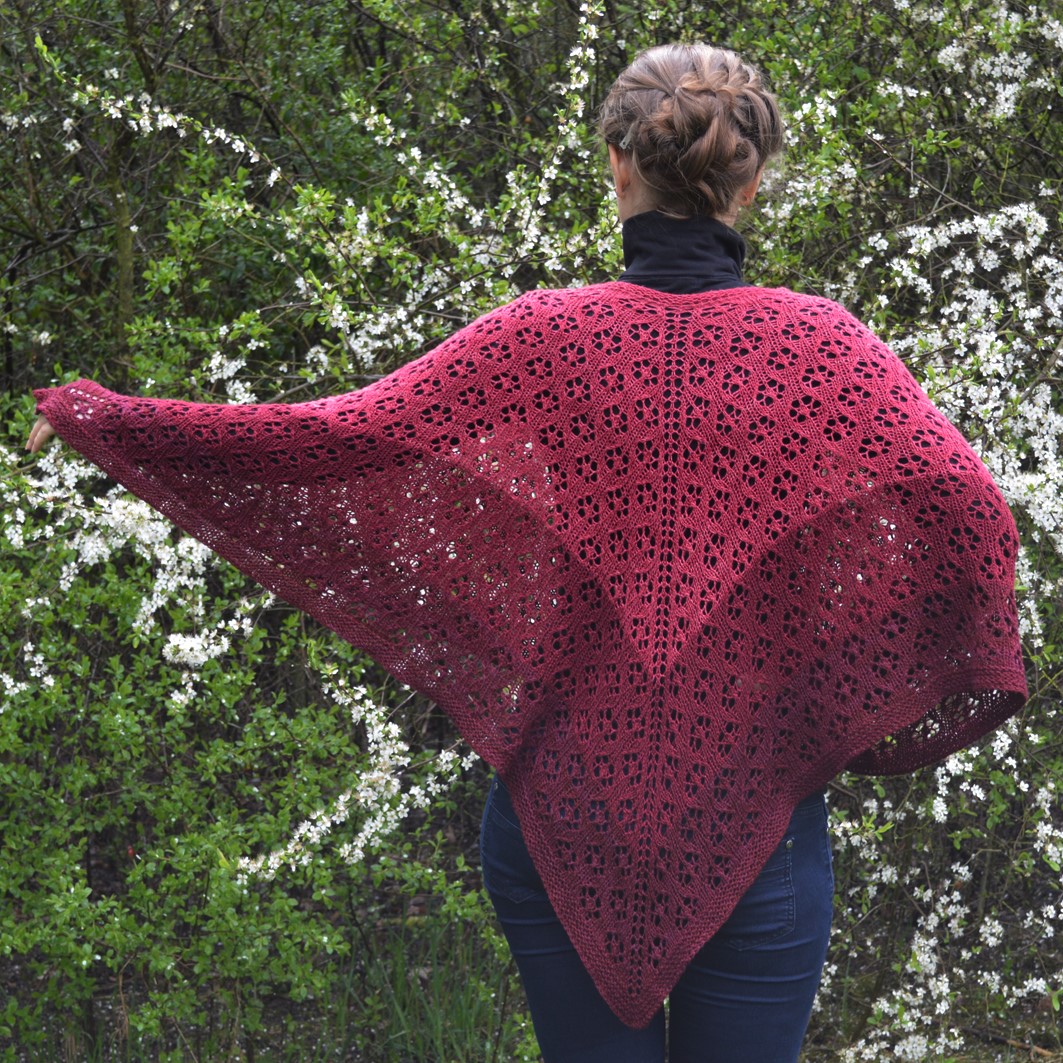
Strickanleitung STR 41: Poncho mit Blütenmuster
Maiglöckchenbuch
Ein ungewöhnlicher Dorfschmied in Sachsen
1837 - 1925
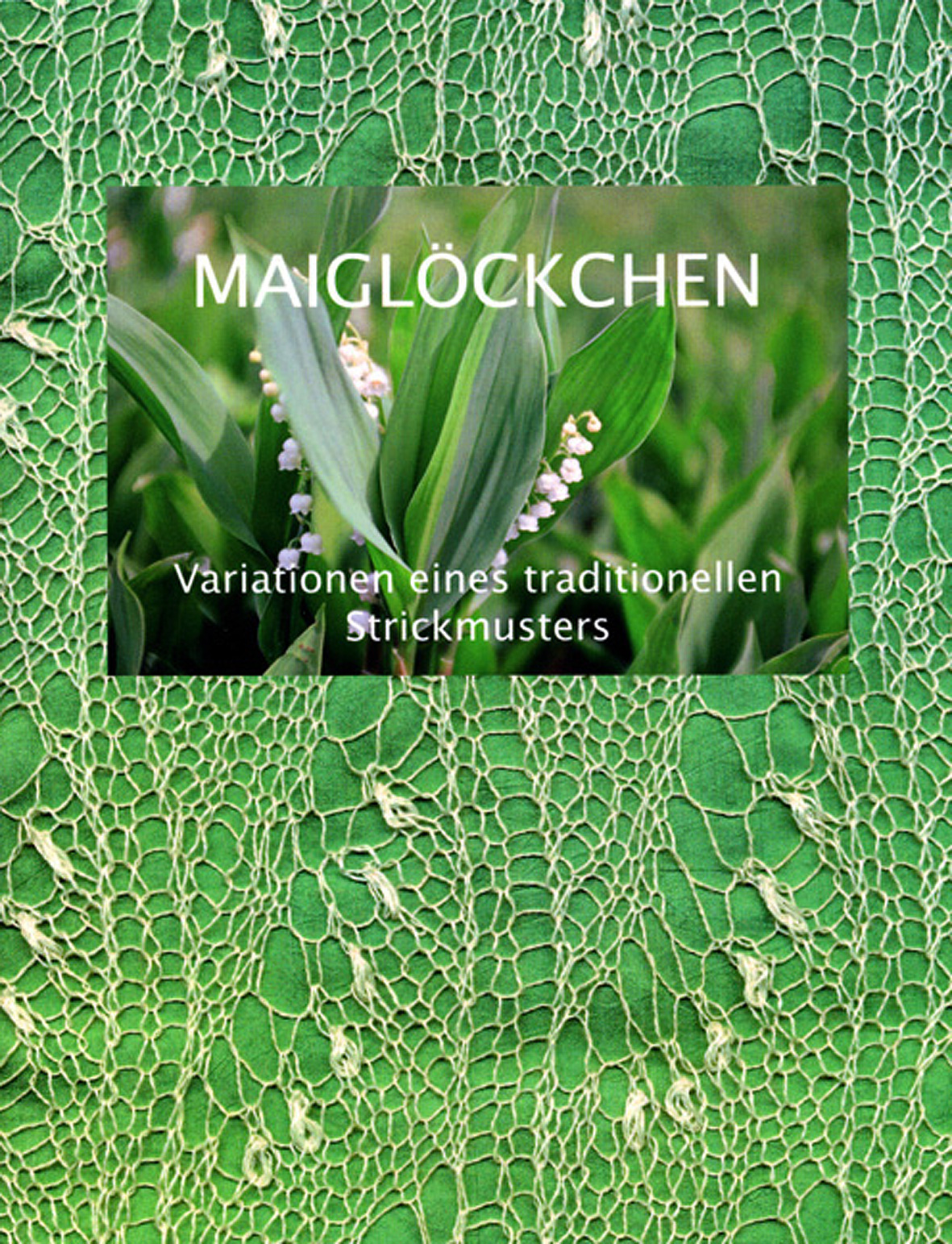
Das sehr persönliche Buch verbindet die abenteuerliche Lebensgeschichte von Edith Haller mit dem Maiglöckchenmuster aus Hapsal in Estland, wo sie in ihrer Jugendzeit lebte. Während einer Südafrikareise lernte D. Fischer Edith Haller in deren Zuhause in Stellenbosch kennen und war fasziniert von der Persönlichkeit dieser Frau und den zauberhaften Maiglöckchentüchern, die sie bis zum letzten Tag ihres fast 90-jährigen Lebens gestrickt hat. Edith Haller übergab Dorothea Fischer, mit der sie in jahrelangem freundschaftlichen Kontakt stand, ihre individuelle Strickanleitung der Maiglöckchentücher.
Im vorliegenden Buch wird diese Original-Strickanleitung veröffentlicht und mit vielen weiteren Variationen verbunden. Zu allen Modellen gibt es ausführliche und verständliche Anleitungen.
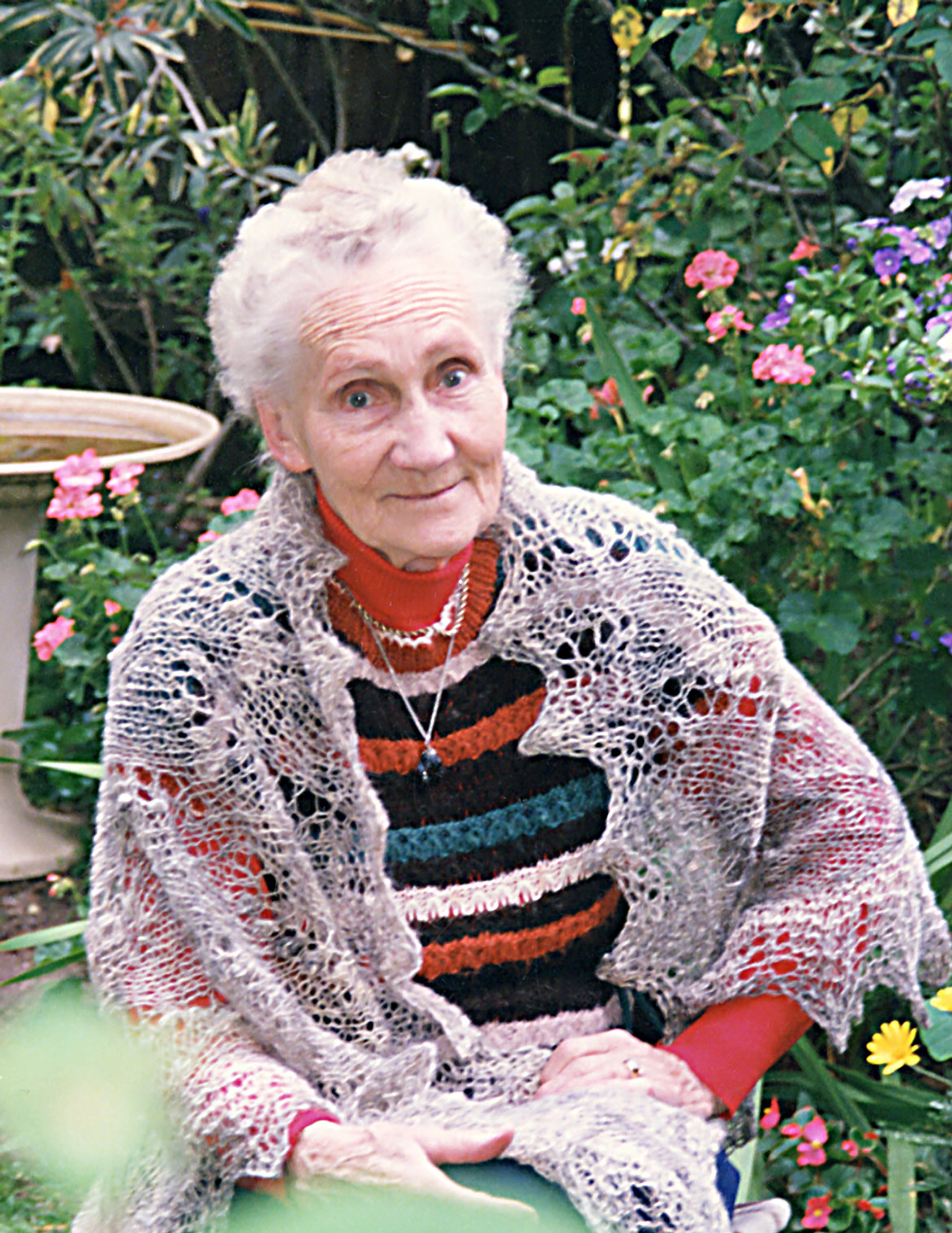
1984 lernte ich auf einer Reise in Südafrika eine erstaunliche Frau kennen, die wunderschöne Tücher nach einem Muster aus Estland strickte. Ich versprach ihr, diese Tücher in Deutschland anzubieten, damit dieses Kulturgut erhalten bleibt. Es entwickelte sich eine jahrelange Verbindung daraus, die vielen Menschen Freude gebracht hat und eine besondere Freude für Frau Haller war. Sie hat immer wieder zum Ausdruck gebracht, dass sie sich über diese Aufgabe freut und die Tücher gern strickt.
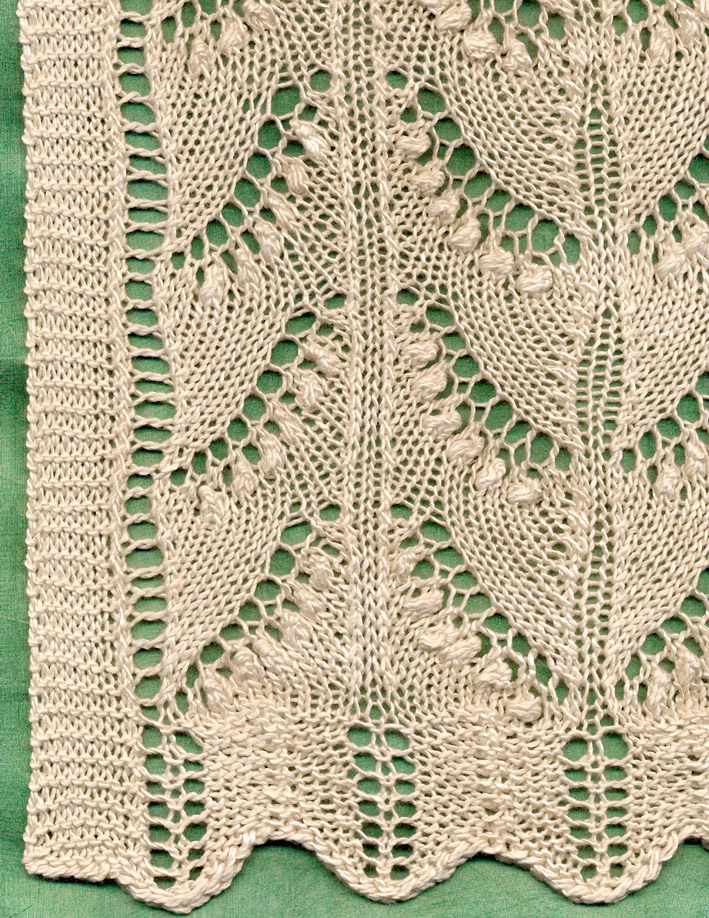
Im Jahr 2001 starb Edith Haller in Stellenbosch im Alter von fast 90 Jahren; das untere Foto zeigt sie mit ihrer Strickarbeit wenige Wochen vor ihrem Tod. Sie hat bis zum letzten Tag ihres Lebens diese zauberhaften Tücher gestrickt, zum Schluss mit einem Sauerstoffgerät auf dem Sofa liegend.
Auf meine Bitte hin schrieb sie ihre Lebensgeschichte 1990 auf und liess 1991 und 2001 ein Foto für mich machen, beide Fotos zeige ich hier.
Mit diesem Bericht möchte ich diese ungewöhnliche Frau ehren
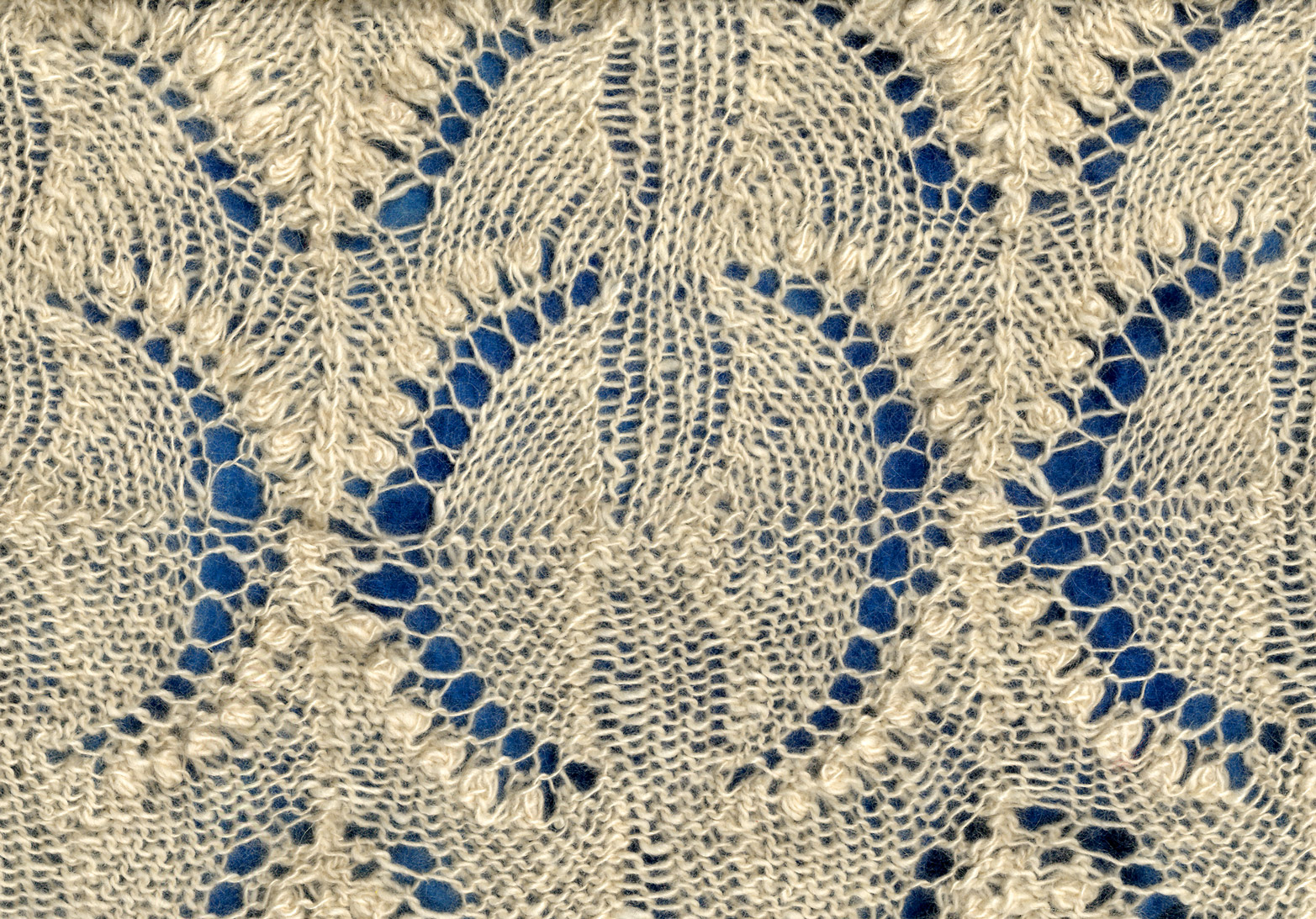
Strickanleitung STR 8: Dorotheas großer Maiglöckchen Möbiusschal
Ernst Ferdinand Winkler
Ein ungewöhnlicher Dorfschmied in Sachsen
1837 - 1925
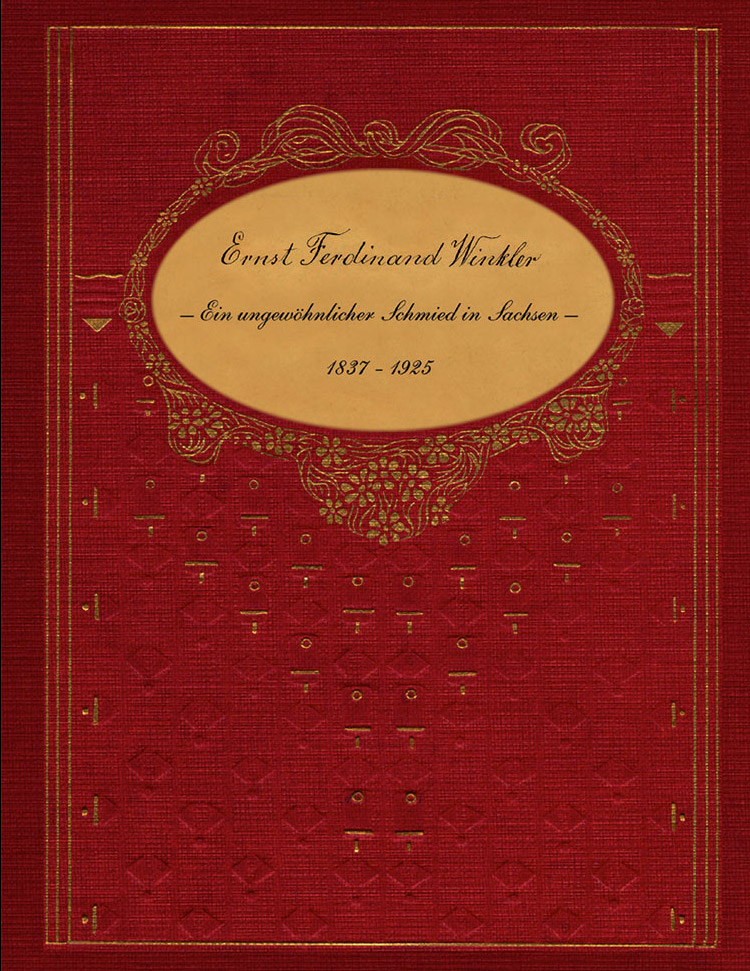
Das Buch zeichnet das Bild eines ungewöhnlichen Mannes - des Urgroßvaters der Verfasserin - seiner Familie und seines Berufs als Dorfschmied im 19. und beginnenden 20. Jahrhundert. Eine Auswahl seiner Lieder und Gedichte, ca. 540 Strophen seines selbstverfassten Lebenslaufes, zahlreiche Fotos und Abbildungen, Dokumente und Original-Buchseiten vermitteln einen lebendigen Eindruck. Ein kurzer geschichtlicher Hintergrund des Dorfes, der Frömmigkeit von E. F. Winkler und persönliche Erinnerungen aus der Familie runden das Bild ab. Ein ansprechendes und bemerkenswertes Buch
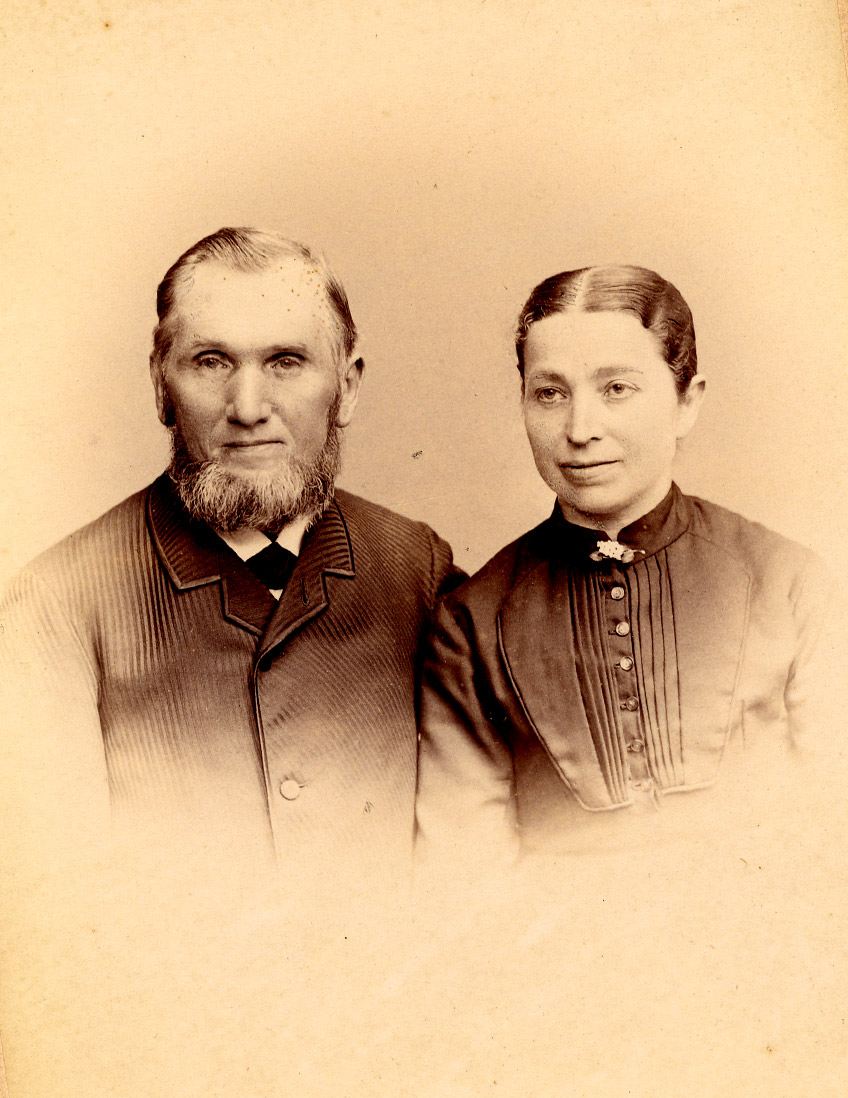
Als ich im Sommer 2003 zum 70. Geburtstag meines Bruders Christian in Kaufungen in meinem Elternhaus war, zeigte mir mein Neffe, der Schmiedemeister Matthias Rüger, Christians Sohn, viele alte Dokumente, die zur Schmiede unserer Vorfahren mütterlicherseits und ihrer Geschichte gehören. Matthias hat die Schmiede 1989, noch vor der „Wende“, von seinem Großonkel, Schmiedemeister Rudolf Winkler, dem Bruder meiner Mutter, gekauft, aber erst im Jahr 2003 wurden ihm diese zum Teil sehr alten Dokumente übergeben.
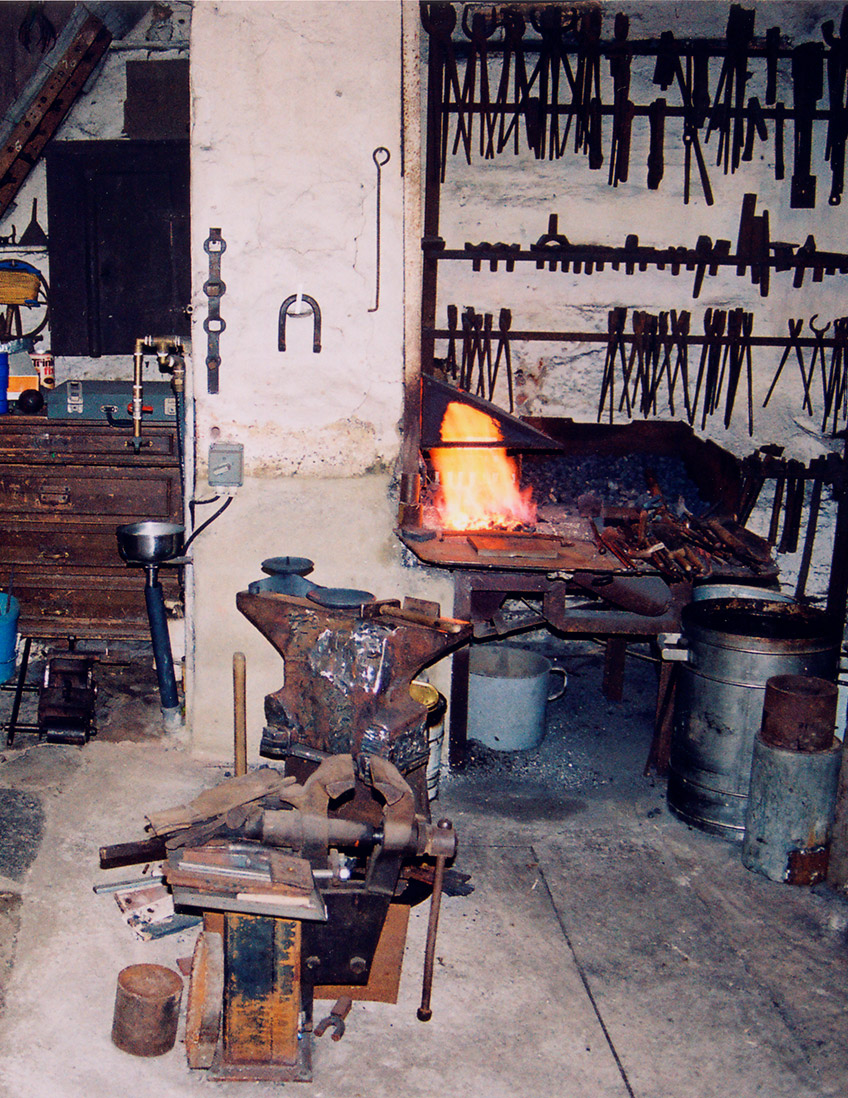
Freunde haben mich darin bestärkt, das Buch zu überarbeiten und nun in einer erweiterten Form der Öffentlichkeit zu übergeben. Die Rechtschreibung war dabei ein Problem, wobei zu bemerken ist, dass unser Urgroßvater seine Aufzeichnungen nach der damaligen Rechtschreibung fast fehlerfrei zu Papier gebracht hat. Ich habe mich mit Blick auf die nachfolgenden Generationen weitgehend für die neue Rechtschreibung entschieden, sofern sie den Inhalt nicht verfälscht.